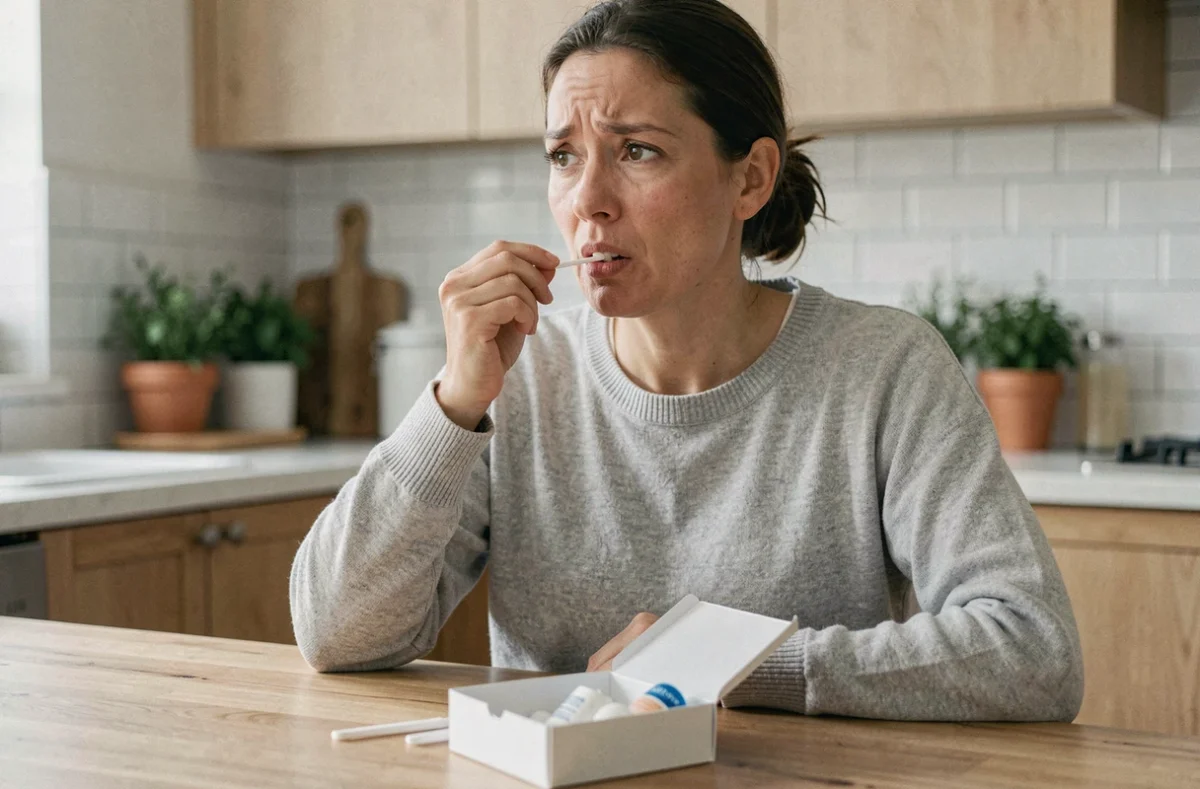
DNA kits sold online rely on SNP chip genotyping, a technique that analyzes a few hundred thousand markers across the three billion base pairs in the human genome. This partial coverage determines everything these tests can—and cannot—claim.
SNP genotyping and the analytical limitations of consumer DNA kits
The chips used by the market’s leading companies target single nucleotide polymorphisms (SNPs) already listed in reference databases. Results therefore depend directly on the composition of those databases.
For ethnicity estimates, each company builds its own reference panels. Two laboratories analyzing the same sample may return substantially different geographic breakdowns because their reference populations, clustering algorithms, and confidence thresholds are not the same. The question of how reliable DNA kits sold online are starts with this technical aspect.
A recreational test does not sequence the entire genome. It does not detect rare variants or de novo mutations. Reports on genetic predisposition to certain conditions, when offered, cover only a fraction of the clinically significant variants catalogued in databases such as ClinVar.
Collecting a saliva sample at home introduces another source of bias. Sample contamination (from food, mouthwash, or a recent kiss) can degrade the quality of the extracted DNA and skew subsequent genotyping.

DNA tests and French law: penalties and the criminal law framework
The French Criminal Code provides for a €3,750 fine for anyone who, outside the cases authorized by law, requests an examination of their genetic characteristics or the genetic identification of another person.
This penalty applies to the buyer, not just the laboratory. Ordering a kit from a foreign website and sending back a saliva sample is therefore an offence, even if the sample is collected from oneself.
Bill and developments in the debate
A bill introduced in 2025 reignited debate over the legalization of genealogical tests, particularly to help people born under France’s anonymous birth system (born sous X) access information about their origins. The bill had not been adopted as of the latest available legal sources. The ban therefore remains in force.
There is a growing gap between actual practice and the criminal law, which has resulted in very few prosecutions.
Genetic data: privacy and the risks of reuse
The terms and conditions of most platforms provide for genetic data to be stored on servers located outside the European Union. The GDPR then applies only partially, and in practice users lose control over how long their data is retained and how it is used for other purposes.
Three documented risks deserve particular attention:
- Sale to the pharmaceutical industry: several companies have entered into licensing agreements granting access to their genotyped databases to identify therapeutic targets, without obtaining individualized consent beyond a box ticked during registration.
- Use by law enforcement: criminal investigations have used public genealogy databases to identify suspects through familial matching, as in the case of the Golden State Killer in the United States.
- Irreversibility: once genetic data has been added to a database, it cannot be changed like a password. If compromised, it is compromised permanently.
Professor Julia Creet, who has written a book and made a documentary on the subject, sums up the situation: it is impossible to anticipate how this information may be used in the future once it is stored in a database.
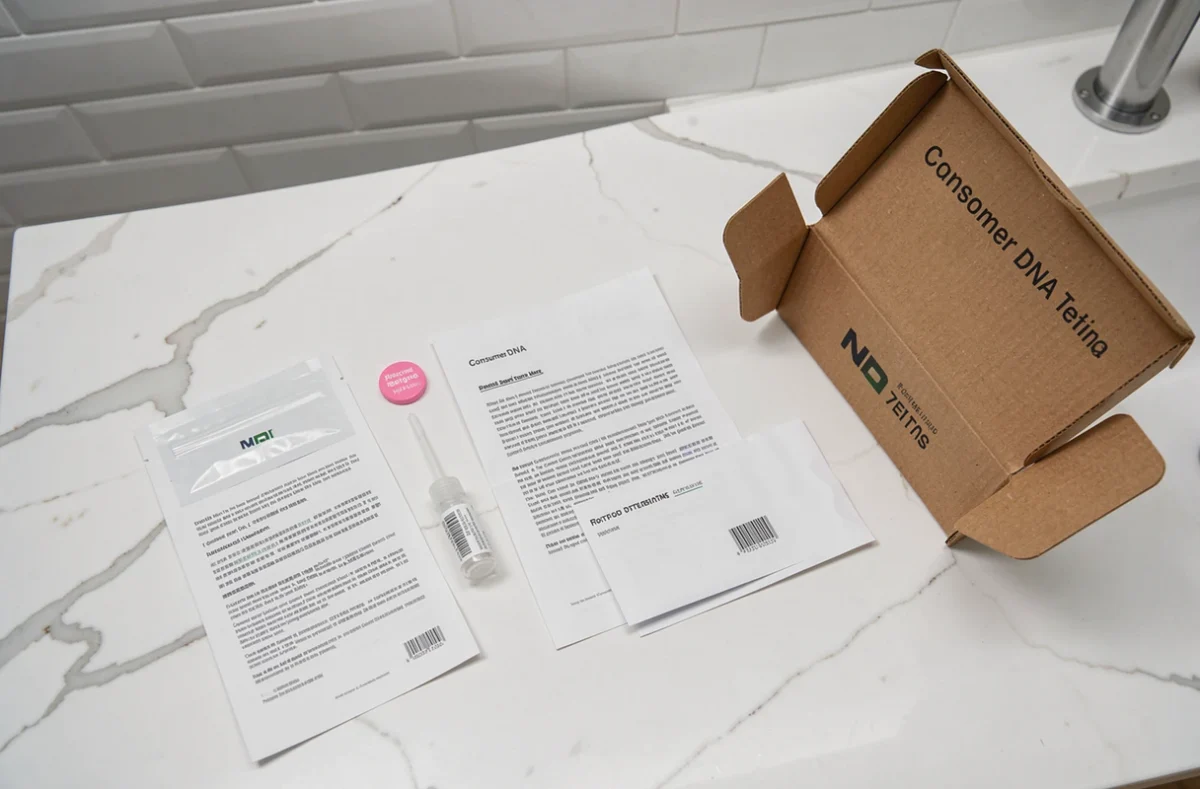
DNA results and parentage: the legal value of an online test
A commercial test is not enough to legally establish parentage. Under French civil law, genetic evidence of a biological relationship can only be obtained through an expert assessment ordered by a judge as part of an action to establish or contest parentage.
A result obtained using an online kit has no evidentiary value in court. At most, it may serve as a personal indication that prompts someone to file a claim, but the judge will order a new expert assessment under a controlled protocol.
Unexpected discoveries and family consequences
Recreational relationship tests regularly reveal unknown half-siblings, cases of misattributed paternity, or connections to gamete donors. These discoveries occur without medical or psychological support, unlike tests carried out in a hospital setting.
The situation is particularly sensitive for people conceived through gamete donation. Online tests can lead to the unregulated identification of donors who chose to remain anonymous, outside any legal framework designed for this purpose.
Technical criteria for evaluating an online DNA kit
Despite the legal ban in France, readers who want to understand what sets the available services apart can assess their quality using several technical criteria:
- The number of SNPs analyzed: the more markers the chip covers, the more detailed the ancestry estimates.
- The size and diversity of the reference panel: a panel skewed toward European populations produces vague results for African, Asian, or Indigenous American ancestry.
- The data retention policy: storage period, whether data can be permanently deleted, server locations, and sharing with third parties.
- Laboratory certification (ISO accreditations or equivalent recognized in the provider’s country), which ensures a minimum level of quality control over the analytical process.
None of these criteria makes up for the lack of medical supervision or the limited scope of genotyping compared with full sequencing performed in a clinical setting. A recreational kit provides clues, never a diagnosis. The trust placed in these tests should reflect this technical reality, not the platforms’ marketing promises.