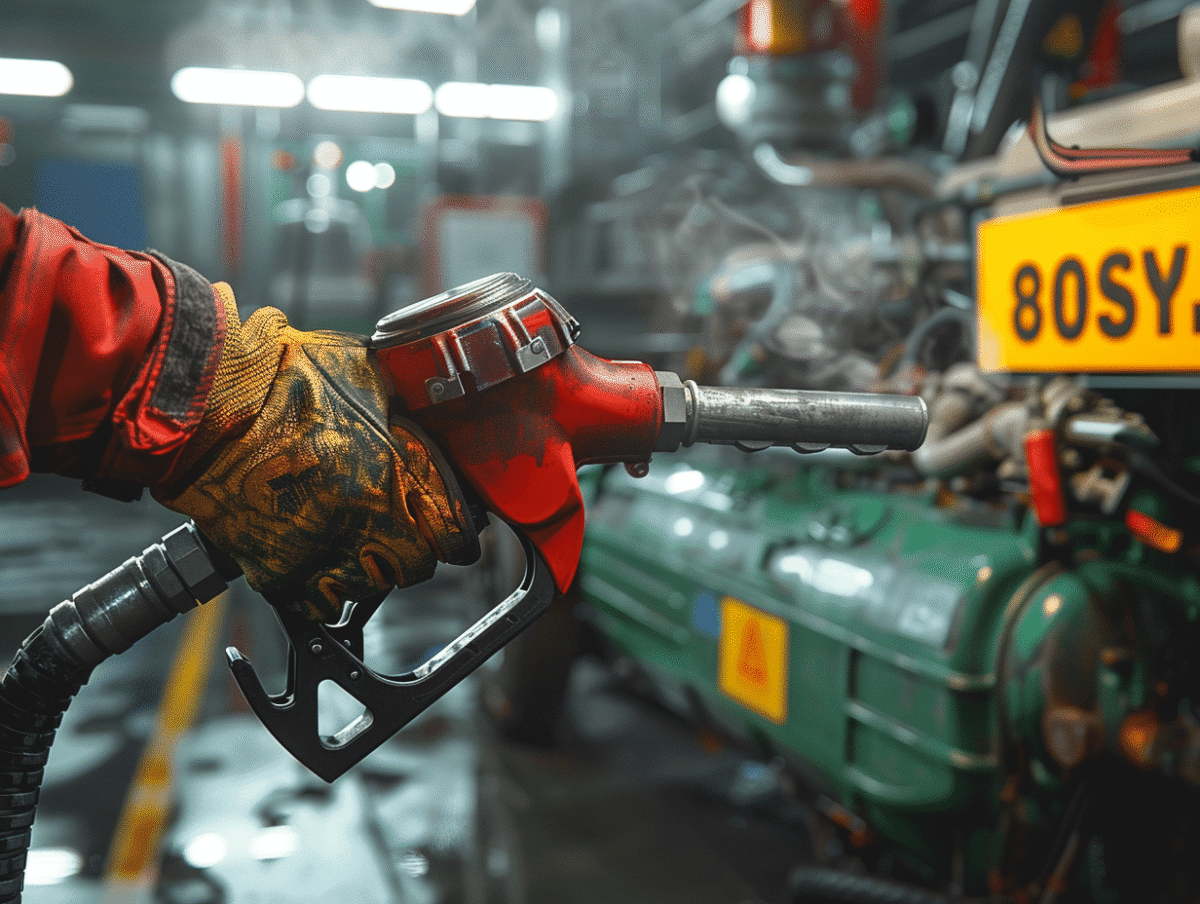
When gasoline is mistakenly introduced into a diesel engine, the repercussions can be severe. Unlike diesel, gasoline has a high octane rating and low viscosity, which is not suitable for the specific design of diesel engines. This mistake leads to a degradation of lubrication, an increased risk of internal damage to sensitive components like injectors and the high-pressure pump. Vehicle owners may face costly repairs. Fortunately, there are immediate measures to limit the damage, including the rapid draining of the incorrect fuel.
The mechanical consequences of using gasoline in a diesel engine
Introducing gasoline into an engine designed for diesel causes often costly engine damage. The high octane rating of gasoline affects combustion, while its low viscosity harms lubrication, which is essential for the proper functioning of internal mechanical parts. Injectors and the high-pressure pump, in particular, are likely to suffer irreversible damage. These components, designed for specific diesel pressures and temperatures, can be damaged by inappropriate compressions and higher combustion temperatures resulting from the use of gasoline.
The risk of corrosion is also a major concern. Gasoline can degrade seals and composite materials in the fuel system, leading to potential leaks and other malfunctions. The fuel error can cause contamination of the catalyst and the particulate filter, compromising their operation and increasing the vehicle’s pollutant emissions. The mechanical consequences extend beyond immediate repairs; they also include a reduction in the engine’s lifespan.
To prevent these situations, drivers should follow tips to avoid fuel errors with different engines. Paying attention to details when refueling, checking the labeling on fuel pumps, and knowing their vehicle’s specifications are simple yet effective measures. In case of doubt, it is better to seek help or consult the owner’s manual rather than risk a costly and potentially dangerous mistake for their engine’s health.

How to react in case of a fuel error: solutions and prevention
When the mistake is made, a quick reaction is crucial. If gasoline has been introduced into a diesel engine, it is imperative not to start the vehicle. Starting the engine could cause the circulation of incorrect hydrocarbons in the system and cause immediate damage. Contact a professional who can drain the incorrect fuel and clean the system. Drivers should be aware that petroleum products like gasoline, kerosene, paint thinners, solvents, and adhesives contain potentially harmful hydrocarbons. Their handling requires special attention to avoid any poisoning.
In case of exposure to vapors or contact with these substances, symptoms such as coughing, choking, shortness of breath, and neurological problems may occur. Inhaling vapors can even lead to irregular heartbeats or sudden death. Ingested hydrocarbons, on the other hand, risk causing pneumonia or chemical pneumonitis. Take immediate action: move away from the source, breathe fresh air, and consult a doctor if symptoms persist. Treatment may require the administration of oxygen or even antibiotics in cases of respiratory complications.
Prevention remains the best defense against fuel errors. Familiarize yourself with the specifics of your vehicle and the different types of available fuels. When refueling, always check the label on the pump and ensure it matches your diesel engine’s requirements. In professional settings, training on fuel safety and handling hydrocarbons is essential to minimize the risks of exposure and error. Keep in mind that toluene, methanol, and lead present in certain hydrocarbons can cause serious organ damage, highlighting the need to handle these substances with extreme caution.