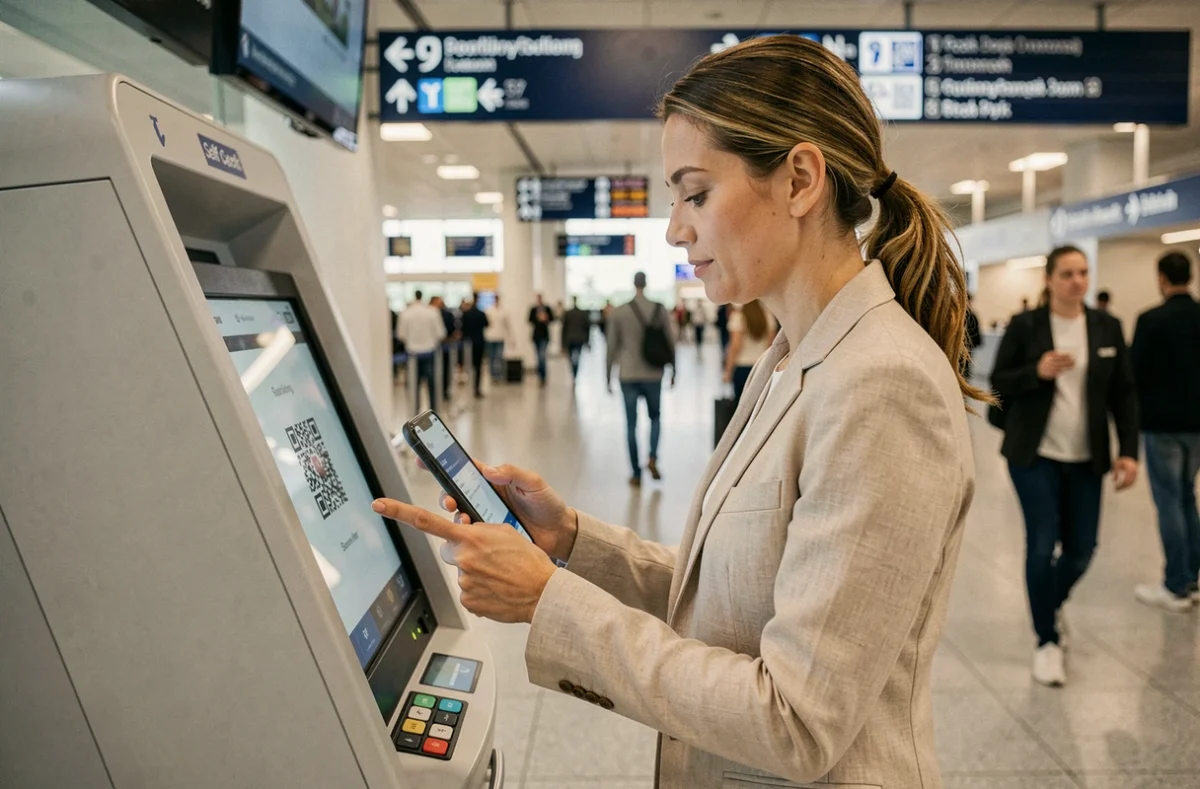
Check-in before a flight is no longer just about getting a seat number. This step, once a simple formality at the counter, now serves as an identity verification and document compliance function that conditions access to the plane well before arriving at the airport.
Travel Document Verification: What Check-in Triggers Behind the Scenes
When a passenger checks in, the airline does not just assign a seat. It transmits their personal data to the authorities of the destination country via automated systems like interactive Advance Passenger Information. These platforms cross-check the declared identity, passport number, and, if applicable, the visa with the immigration service databases.
The result comes back as either authorization or denial before departure. A document anomaly, an expired visa, or a discrepancy between the name on the ticket and that on the passport can block the issuance of the boarding pass. The passenger is then notified without even having set foot in the airport.
This mechanism explains why some airlines refuse boarding to travelers whose documents do not pass the automated verification. It is not a commercial whim, but a regulatory obligation: airlines are required to verify the compliance of documents before transporting a passenger to a third country. A detailed guide on the boarding pass check-in on A Fabulous Trip outlines the concrete steps of this procedure according to different airlines.

Mobile Boarding Pass and Dematerialization: Why Paper is Declining
The vast majority of airlines now offer a boarding pass directly on smartphones, accessible via the airline’s app or by email. This shift to digital has several practical consequences.
- The QR code displayed on the phone screen is sufficient to pass through security checks and board, provided that online check-in has been completed within the time limits set by the airline (often between 24 and 48 hours before departure).
- Passengers without checked baggage can go directly to the boarding gate without going through a counter or kiosk.
- The digital version remains linked to the reservation file: any changes (gate change, delay, seat reassignment) are automatically updated on the phone.
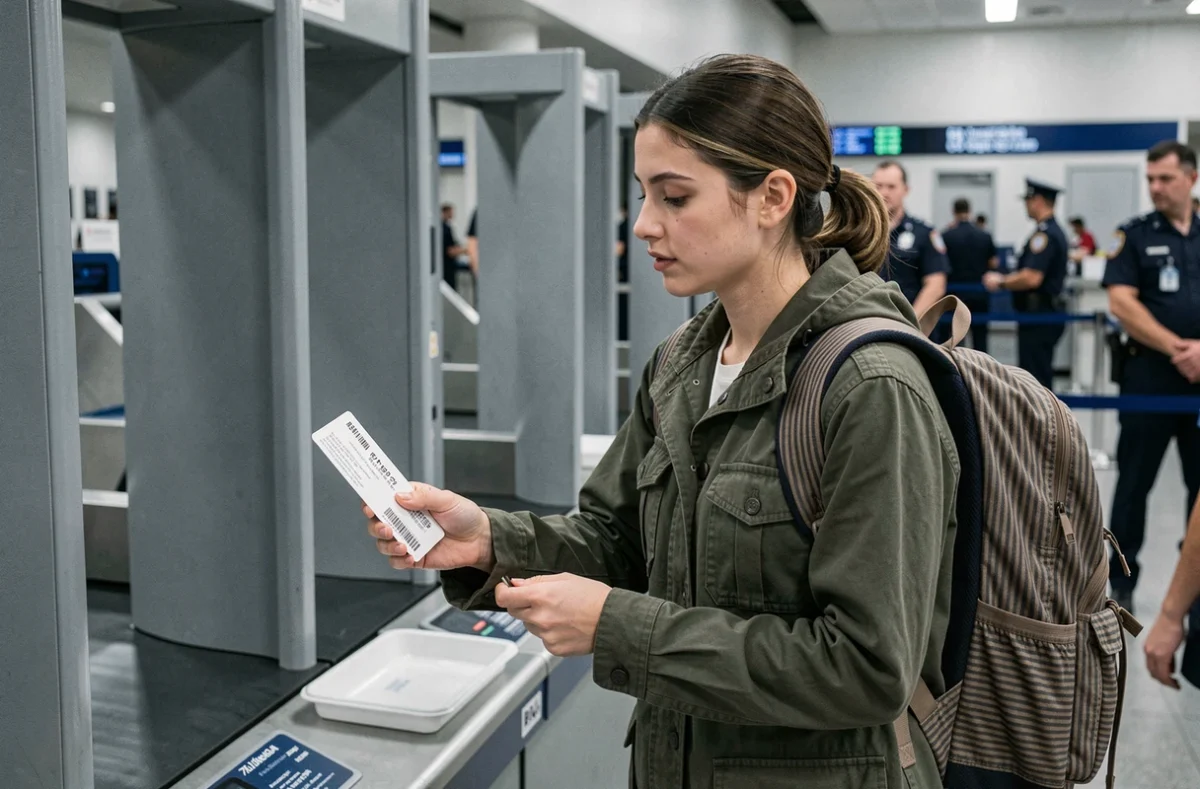
The paper boarding pass has not completely disappeared. Some airports, particularly for flights to destinations requiring enhanced document checks, still request a printed document. A few regional airlines do not offer online check-in on all their routes.
European Entry-Exit System and Check-in: The Regulatory Link
The European Union is preparing to deploy an Entry-Exit System that will record the biometric data of travelers from third countries crossing the external borders of the Schengen area. This system modifies the function of check-in prior to the flight.
The boarding pass becomes a link in a broader verification chain. Check-in no longer just validates a commercial reservation: it triggers the transmission of data that will be cross-checked upon arrival with biometric controls at the borders. For airlines, this means increased responsibility in collecting and ensuring the reliability of the transmitted information.
This regulatory strengthening partly explains why airlines insist so much on passengers checking in online before arriving at the airport. The earlier the data is verified, the lower the risk of a blockage at the time of boarding.
IATA One ID Initiative: Towards Check-in Linked to Digital Identity
The International Air Transport Association (IATA) is developing a program called One ID. The principle: allow passengers to submit verified documents (identity, passport, visa, reservation) in advance to arrive at the airport with a status equivalent to “ready to fly.”
In this model, check-in as we know it could merge into a digital identity verification conducted well before the day of departure. The passenger would no longer need to physically present a document at each step (counter, security, boarding gate). Voluntary biometric recognition would replace the repeated presentation of the passport and boarding pass.
A coalition of aviation industry stakeholders is advocating with the European Union for a regulatory framework governing the voluntary use of biometrics in airports. The goal is to make the passenger journey smoother while ensuring the protection of personal data.
What This Means for the Passenger
Today, check-in remains a distinct step. Tomorrow, it could become invisible, integrated into a single identity verification valid for the entire airport journey. The boarding pass, whether paper or mobile, is no longer just a ticket: it carries data that condition the authorization to travel.
For a domestic flight in France, check-in still serves a logistical function (seat assignment, baggage management). For an international flight, it now constitutes the first documentary and security filter of the journey. Failing to check in means delaying a verification that the airline will have to carry out anyway, with the risk of being denied boarding if a document issue arises at the last moment.