
In Switzerland, the vacancy rate is close to zero in the most sought-after cantons: 0.46% in Geneva and 0.96% in the canton of Vaud. Around 61% of the population rents their home, rising to over 80% in some urban areas. In this context, preparing a strong application and knowing how to protect your interests after signing the lease are equally valuable skills.
Rental applications in Switzerland: what to keep after your application is accepted
Most guides explain which documents to submit with your application. Few cover what happens after the lease is signed, when tenants discover that the rent differs from the advertised amount or find a defect that was not mentioned during the viewing.
Disputes over initial rent remain a real concern in Switzerland. At the end of the first half of 2026, 12,208 cases were still pending before the relevant conciliation authorities, up from mid-2025 (BFS, November 2026). This figure reflects a genuine backlog: a rental dispute will not be resolved in just a few weeks.
To protect yourself, it is useful to create a mirror file: a copy of everything you submit to the property management company, supplemented with documents it does not request. The aim is to be able to prove, months later, the exact terms of the rental agreement at the time it was accepted.
- A screenshot of the original listing (advertised rent, description, publication date) before it is removed from the portal
- A copy of every written exchange with the property management company or landlord, including viewing confirmations and any verbal promises restated in writing
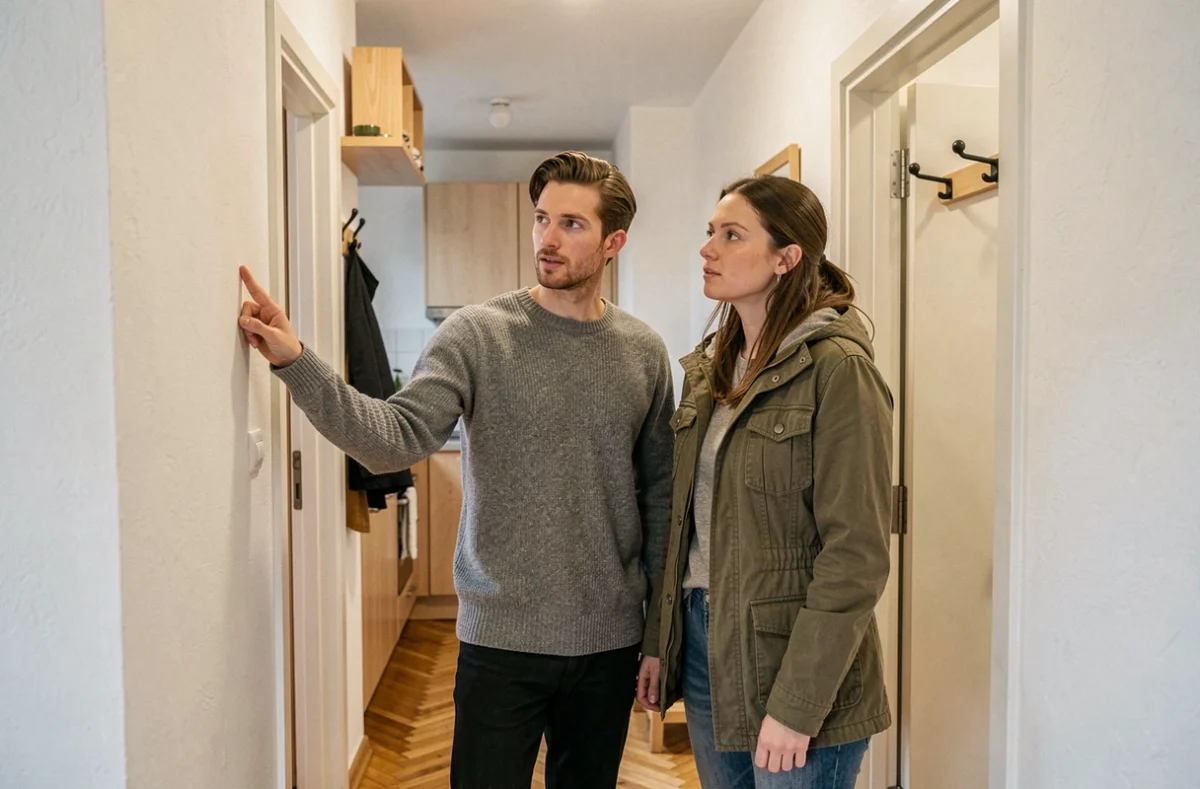
- Dated photos of the property taken on the day of the viewing and again when the keys are handed over, focusing on visible defects (seals, paintwork, appliances)
- The official property inspection report, signed by both parties, along with your own notes if you have raised any concerns
This habit of keeping records turns an ordinary applicant into a prepared tenant. If a dispute arises over the initial rent or the condition of the property, these documents can serve as evidence before a conciliation authority.
Even before putting together this mirror file, it is worth taking a systematic approach to the property search itself. To rent an apartment in Switzerland under the right conditions, you need to understand how property management companies screen applications.
Financial requirements set by Swiss property management companies
Real estate agencies (known as régies in French-speaking Switzerland) apply strict financial screening criteria. Your monthly net income must be at least three times the rent, including utilities and other charges. An apartment costing CHF 1,800 per month therefore requires a net income of at least CHF 5,400.
In most cases, this ratio is non-negotiable. Property management companies check it against your three most recent payslips and often your employment contract. The process is more complicated for self-employed applicants and new residents without a Swiss salary history.
Debt enforcement register extract
This document, specific to the Swiss system, shows whether debt enforcement proceedings have been initiated against an applicant. Almost all landlords require an extract from the debt enforcement register. You can request one from the debt enforcement office in your municipality of residence; it usually costs a few dozen francs.
A clean extract immediately reassures the property management company. An extract containing entries does not automatically disqualify you, but you will often need to provide a written explanation and may even be asked for additional security.
Rental deposit: three months’ rent tied up
Swiss law allows landlords to require a security deposit of up to three months’ rent, held in a blocked bank account in the tenant’s name. This money remains inaccessible for the entire term of the lease. Alternatives, such as rental deposit insurance, are available, but not all property management companies accept them.
Rental budget in Switzerland: what sale prices don’t tell you
A common mistake is to estimate rent based on property purchase prices. The Federal Statistical Office (BFS, October 2026) points out that rising purchase prices do not directly reflect changes in rents. The two markets are shaped by different factors: mortgage rates, the reference interest rate and the length of occupancy under the previous lease all have a greater influence on rent than the property’s market value.
In practice, rents vary considerably by location. In the five largest cities (Zurich, Bern, Lausanne, Geneva and Basel), prices are around 10% above the national average. In rural areas, they are about 20% lower. Municipalities with higher incomes have rents 15% above the Swiss average.
Responding quickly and searching systematically for an apartment
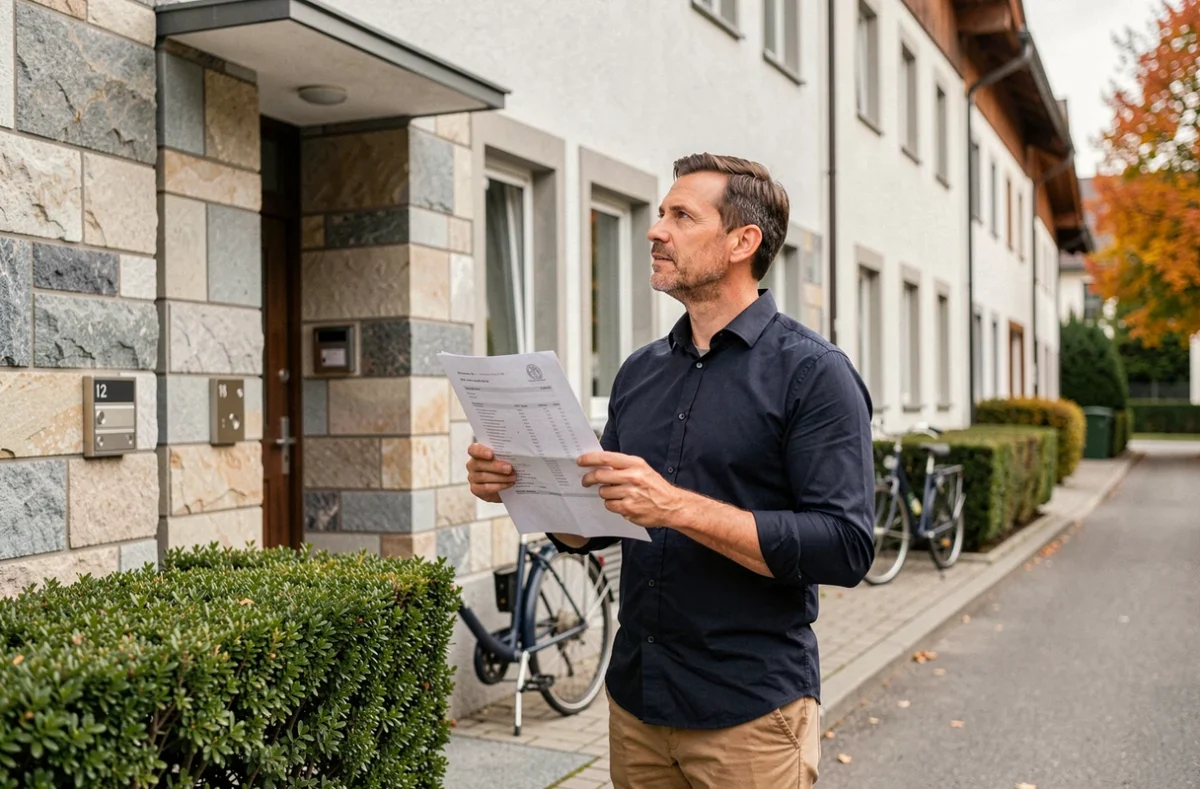
In a market where an attractive property can receive dozens of applications within hours, a quick response makes all the difference. Online property portals (Homegate, Immoscout24, Comparis) carry the vast majority of listings. Setting up email or push notifications lets you respond within an hour of a listing going live.
Your application should be complete before you even start viewing properties. An application submitted on the day of the viewing is more likely to succeed than one sent three days later. Some property management companies in Geneva and Lausanne close applications 48 hours after a listing goes live.
Typical documents for a rental application
- Valid identity document or residence permit
- Employment contract and three most recent payslips
- Debt enforcement register extract issued within the past three months
- A brief cover letter explaining your personal and professional circumstances
- References from your previous landlord (if available)
Combining these documents into a single, clearly named and paginated PDF makes the property management company’s job easier and shows that you are organised.
Switzerland’s rental market rewards preparation more than patience. Keeping a record of every step, from your first contact with the property management company to the move-in inspection, does more than protect you against future disputes. It also brings structure to your search and helps you avoid missing out on a property because your application was incomplete at the wrong moment.