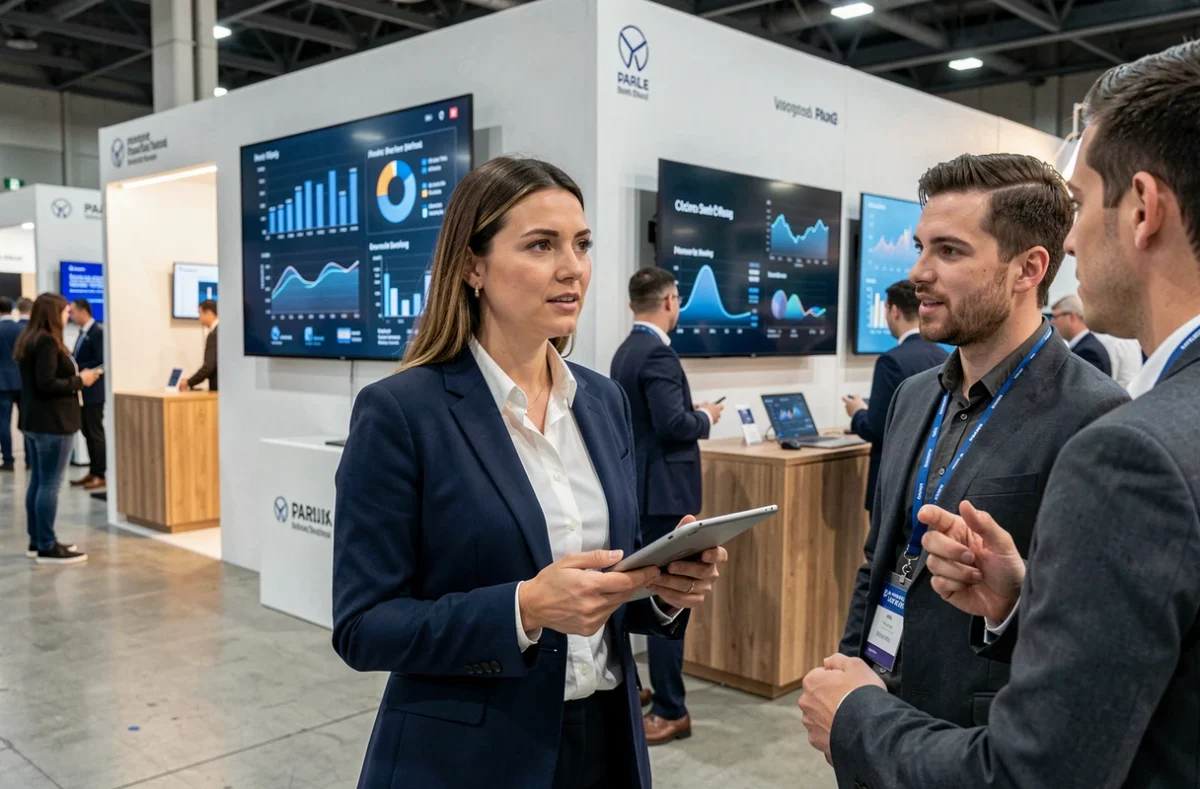
A professional event dedicated to digital technology is more than a showcase for software. Its value is measured by what participants take back to their day-to-day work: a use case they’ve tested, a regulatory requirement they’ve identified, or a process they’ve reconsidered.
Since February 2, 2025, the European AI Act (Article 4) has required organizations deploying artificial intelligence systems to take measures to develop their staff’s AI literacy. This framework changes what businesses expect from a trade show or conference in Paris: training and helping teams adopt these tools are now central concerns.
The European AI Act and digital events in Paris
The European AI Act classifies several employment-related uses as high-risk AI systems. These include automated recruitment, algorithmic task allocation, and AI-based performance evaluations. For companies considering adopting these technologies, compliance involves more than ticking off technical requirements.
A digital event in Paris can therefore provide a place to explore human oversight and employee information requirements in practical terms. Conferences and workshops covering these regulatory obligations help turn abstract monitoring into an actionable roadmap.
By attending ClubFormationDigital.fr’s Paris event, professionals can hear first-hand accounts of how AI is being integrated into everyday practices, beyond the demonstrations on the exhibition floor.
The regulatory timeline is evolving, and companies should check which dates apply to their projects. Regulation is becoming a practical matter of change management and digital governance, not just a legal risk to hand over to the compliance department.

Transforming work: moving from monitoring to experimentation
Visiting a digital trade show without a clear objective rarely delivers results. The difference between a worthwhile event and a wasted day comes down to preparation and the approach taken on site.
A practical approach is to come away with three concrete takeaways:
- A defined use case that was tested or observed during a demonstration and addresses an identified organizational problem
- The people who will be affected by the rollout, whether direct users, managers, or employee representatives
- The compliance questions to address before deployment, particularly for AI solutions used to manage teams
This framework turns a trade show visit into a project milestone. Conferences on the employee experience or corporate intranets then take on a different meaning: they help validate or disprove a hypothesis rather than simply provide brochures to collect.
Choosing digital tools: why involving employees makes all the difference
A digital event may showcase the best solutions on the market for the workplace, collaboration, or project management. But if the employees who will use these tools every day have no say in choosing them, adoption rates will remain low.
The problem isn’t the technology; it’s the decision-making process. When IT management chooses a tool without consulting frontline teams, users find ways around it. They go back to their spreadsheets, email exchanges, and familiar ways of working.
Defining AI usage rules with teams
The European AI Act strengthens this case. Organizations must promote their staff’s AI literacy in relation to the AI systems they deploy. This requirement cannot be met solely by imposing an online training module after the fact.
A digital trade show or conference in Paris provides a setting for this kind of collective discussion. Sending a pair consisting of a decision-maker and a business user makes it possible to compare vendors’ promises with the realities and constraints of day-to-day work.
The question isn’t whether AI will transform jobs. Most employees in Europe already expect it to. The question is who decides how, and what role employees have in defining the rules for its use.

Evaluating a digital event: practical criteria to consider before registering
Not all Paris trade shows focused on digital transformation are created equal. Before blocking out a day in a team’s calendar, a few criteria can help distinguish a high-value event from a straightforward sales pitch.
- The program includes first-hand accounts from companies that have already deployed the solutions on show, with measurable results
- Practical workshops let attendees test a tool or work on a real use case, rather than just listen to presentations
- Governance, regulatory compliance, and change management are on the agenda alongside product demonstrations
- The event offers opportunities for peer-to-peer discussion, such as roundtables and working groups, where participants share their challenges as well as their successes
An event that meets these criteria does more than showcase solutions. It helps participants structure their own transformation efforts and leave with actionable takeaways.
Beyond the trade show: putting what you’ve learned into practice
Returning to the office after an event is a critical moment. Without a structured debrief in the days that follow, notes from conference sessions end up forgotten in a digital drawer. A short team debrief, identifying an initial test to launch within the month, and appointing someone to lead the initiative are often enough to turn a day of monitoring into the start of a project.
Digital events in Paris are multiplying every year. Their real value depends less on the quality of the speakers than on participants’ ability to use them to inform decisions. The European regulatory framework for artificial intelligence now gives them another reason to attend with specific questions—and come away with practical answers.