
As we age, it becomes crucial to maintain mental sharpness for optimal quality of life. Researchers emphasize the importance of brain-stimulating activities to counter cognitive decline in seniors. Exercises such as memory games, puzzles, learning new skills, or regular physical activity are frequently recommended. These habits, in addition to strengthening brain functions, promote social interactions, thereby contributing to overall well-being. The key lies in the diversity and regularity of intellectual challenges to keep the mind active.
Strategies to Maintain Dynamic Brain Activity in Seniors
Keeping a sharp mind is a major concern for seniors, highlighted by a survey from AARP. Various methods prove effective for stimulating the brain. Take the case of the website Le-senior-des-annees.fr, which offers tailored memory exercises, board games designed for seniors, and a range of gentle physical activities. These tools, when used regularly, can help preserve and even improve cognitive functions.
Board games such as Scrabble, chess, or checkers are not just simple pastimes. They are true gyms for the mind. Combining strategic thinking and social interaction, these games stimulate multiple brain areas simultaneously. Physical activity, on the other hand, is not limited to maintaining physical fitness; it also positively impacts mental health. Walking, swimming, or yoga contribute to better brain circulation and the prevention of cognitive decline.
Creative hobbies and new technologies also offer opportunities for cognitive stimulation. Learning a new language, taking up painting, or playing video games designed for seniors can delay the onset of symptoms of diseases such as Alzheimer’s. Socialization, inherent in these activities, plays a crucial role in maintaining good mental health. It allows for the creation of a support network, the exchange of ideas, and staying connected with current trends, thereby enhancing resilience against potential cognitive declines.
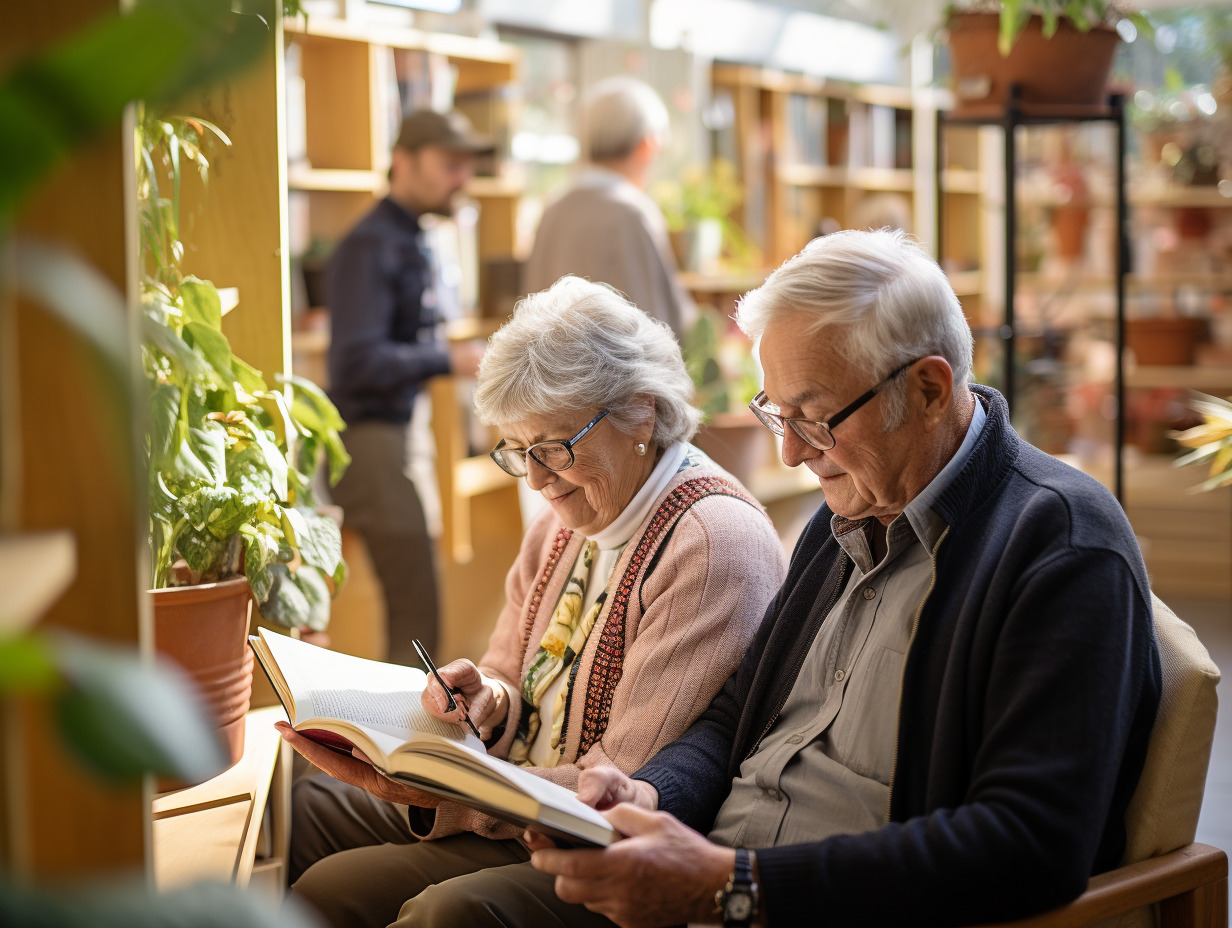
The Benefits of Social Interactions and Creative Hobbies on Seniors’ Mental Health
Social interactions, vectors of mental well-being, play an essential role in preventing cognitive decline. Daily conversations, stimulating debates, and the exchange of experiences are natural brain exercises that strengthen neural connections. Participating in discussion groups or book clubs, for example, encourages the exchange of ideas and the discovery of diverse perspectives, thus contributing to beneficial intellectual exercise.
Creative hobbies prove to be powerful allies against boredom and isolation, which are common among seniors. Regular practice, whether it be painting, music, or crafts, fosters creativity and dexterity while providing opportunities to express emotions and build self-confidence. These activities, by engaging coordination and reflection, actively contribute to the preservation of cognitive faculties.
The playful aspect of video games designed for seniors should not be underestimated. In addition to entertaining, they offer brain training that can range from solving puzzles to coordinating movements. According to recent studies, their targeted use could slow the progression of neurodegenerative diseases like Alzheimer’s, a disease feared more than death itself according to a study by the Alzheimer Association.
Learning a new language is a stimulating challenge for the brain. This complex activity engages several brain regions and requires attention, memorization, and mental agility. Mastering a new language leads to enriching intercultural encounters, thus creating social bonds that are pillars for robust mental health.