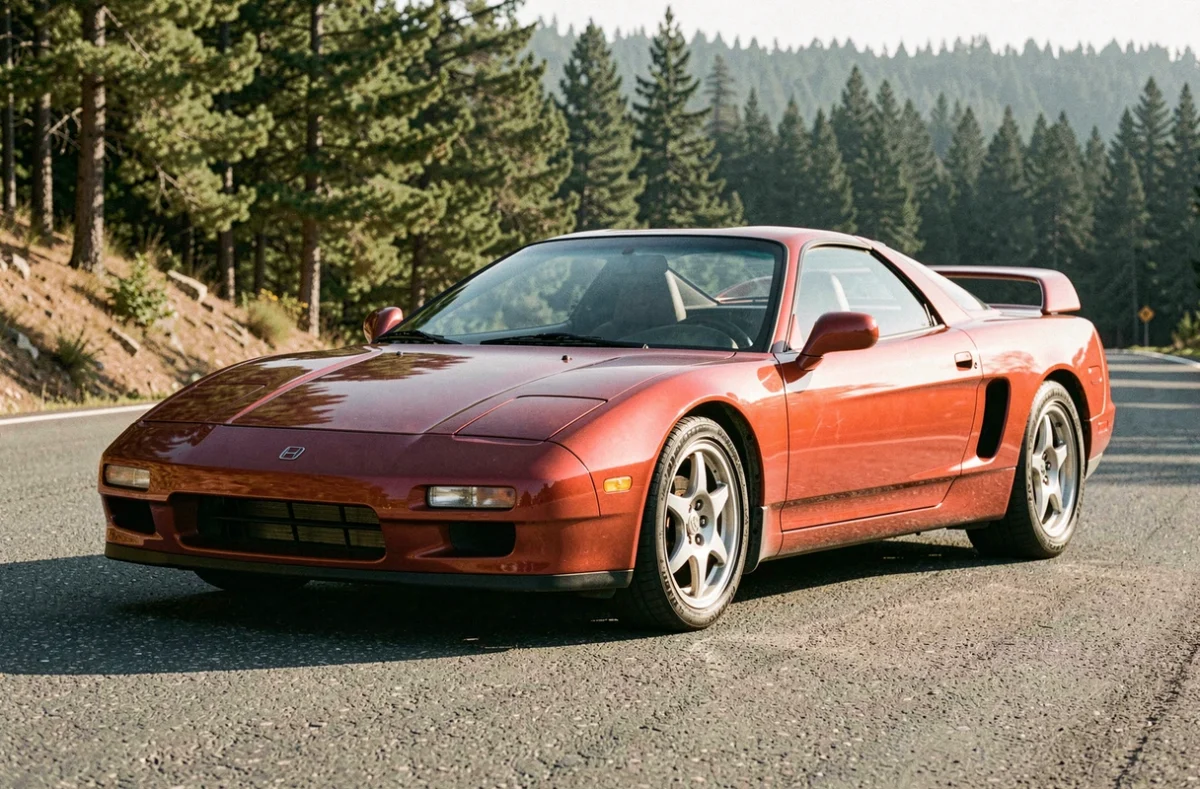
The Honda NSX has marked two distinct eras in the world of sports cars. The first generation (NA1/NA2), produced from 1990 to 2005, was based on a naturally aspirated engine and an aluminum chassis designed for lightness. The second generation (NC1), launched in 2016, adopted a hybrid powertrain and all-wheel drive. Comparing these two cars is like contrasting two visions of performance, separated by more than a decade of technological breakthroughs.
Maintenance and aging: two very different mechanical realities for the NSX
Are you looking for a used NSX? The first instinct is to understand what ages, and how. On this point, the two generations have almost nothing in common.
The NA1/NA2 ages like a classic mechanical car. The points of concern are the timing belt, water pump, hoses, seals, and some components of the ABS system. These are well-known, documented parts, and increasingly available thanks to the Honda Heritage Works program launched in Japan in April 2026. Honda offers a complete restoration service and the remanufacturing of rare parts.
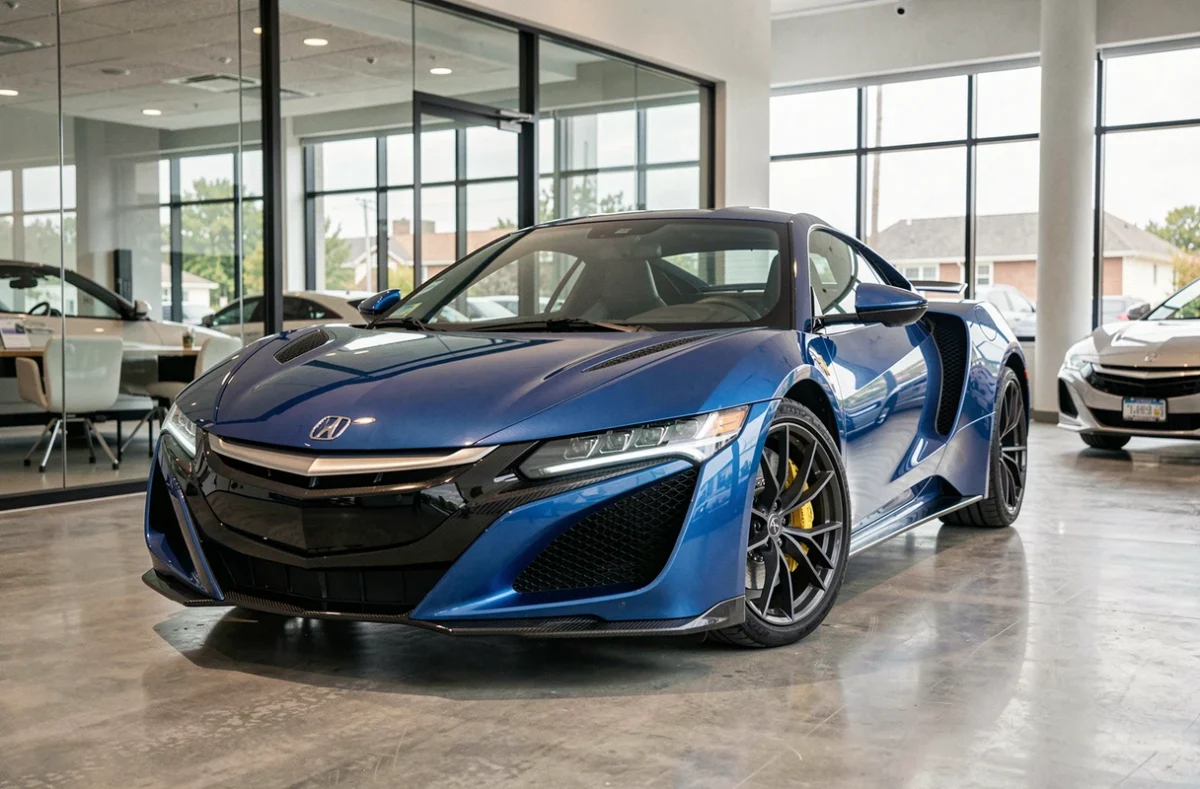
The NC1, on the other hand, adds a considerable layer of complexity. In addition to the combustion engine, it includes a battery, three electric motors, a dual-clutch transmission, and a suite of embedded software. Specialized buying guides recommend a dedicated inspection of the hybrid system before any used purchase. A software failure or battery degradation can represent a cost that the purchase price did not initially suggest.
To delve deeper into the differences between the old and new generations on La Belle Auto, several technical aspects are detailed precisely.
In summary, the NA1 poses a risk of calendar aging, while the NC1 poses a risk of technological complexity. The maintenance budget is calculated in completely different ways.
Naturally aspirated engine vs. turbo hybrid: the driving philosophy of the NSX
The most striking difference between the two NSXs is not found on a technical sheet. It is felt behind the wheel.
The first generation featured a naturally aspirated V6, known for its linear revving and immediate throttle response. The engine rewarded the driver who sought high revs. It was this character that attracted drivers like Ayrton Senna, who was involved in the chassis development. The power came on progressively, without surprises.
The NC1 changed this logic. Its twin-turbo V6 paired with three electric motors delivers torque available much earlier in the rev range. The all-wheel drive distributes power between the four wheels, with an electric motor dedicated to each front wheel. The result is superior traction out of corners, but a more filtered, assisted driving feel.
What this changes in everyday life
On open roads, the NA1 demands commitment. The unassisted steering (on the early models) and the manual gearbox require real physical involvement. The NC1, with its dual-clutch automatic transmission and electronic driving modes, is more accessible.
Why this choice? Honda wanted a supercar that could be used daily, capable of running in electric mode at low speeds. The NC1 aimed for versatility, while the NA1 aimed for mechanical purity. These are two legitimate driving pleasures, but radically opposed.
Honda Heritage Works and collector’s value: the future of the first NSX
One fact distinguishes the NA1 from almost all Japanese sports cars of its time: Honda is actively investing in its preservation. The Honda Heritage Works program, launched in April 2026, is not limited to selling parts. It offers factory restoration, with quality standards identical to those of the original production.
This type of program exists at Porsche (Porsche Classic) or at Mercedes (Classic Center), but remains rare among Japanese manufacturers. For the NSX NA1, this means that critical parts are becoming available again in original quality, which slows the rise in restoration costs and secures the model’s long-term value.
Value and market trend
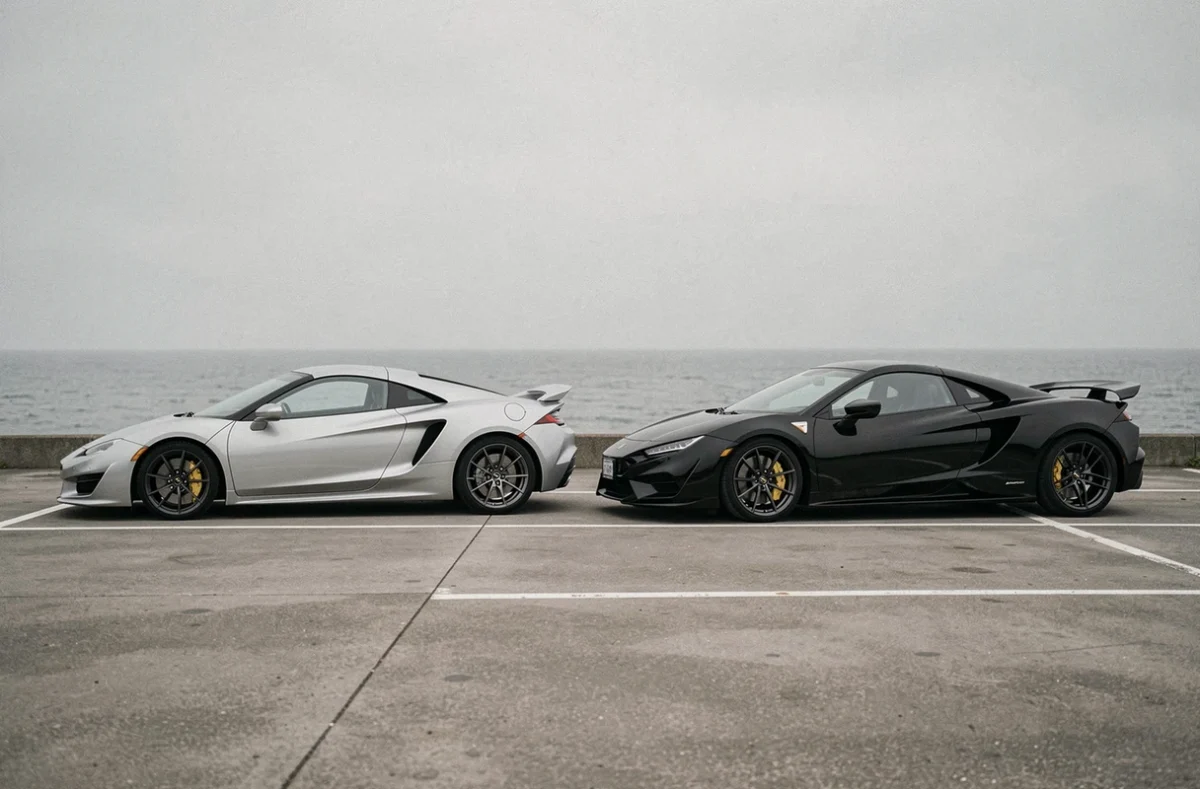
The first NSX enjoys a collector status that is confirmed year after year. Well-maintained examples with complete history are reaching price levels that few observers anticipated ten years ago. The NC1, being more recent, is still following a classic depreciation trend in the used car market.
Are you considering purchasing a first-generation NSX? Here are the key points to check:
- The condition of the timing belt and its replacement history, as a maintenance delay can lead to engine failure
- The presence of corrosion on the aluminum chassis, particularly around the wheel arches and undercarriage
- The operation of the original ABS system, some electronic components of which are no longer produced
- The authenticity of the parts (engine, interior, paint) which directly affects collector value
For the NC1, the list expands:
- A complete diagnosis of the hybrid battery and the three electric motors
- Verification of software updates for the engine management system
- The condition of the dual-clutch transmission, sensitive to wear in frequent urban driving
NSX NA1 or NC1: two cars that do not appeal to the same buyer
The NA1 attracts those seeking an analog driving experience and collector potential. It requires mechanical attention but rewards with a direct connection between the driver and the machine. Its maintenance, although rigorous, relies on known interventions now supported by Honda.
The NC1 appeals to a different profile: a technology enthusiast, sensitive to versatility, ready to manage the complexity of a hybrid system. It offers superior raw performance, but its long-term reliability is still to be confirmed in the used market.
The choice between these two NSXs is not just a question of budget or power. It is a choice about the relationship to driving, maintenance, and the passage of time.