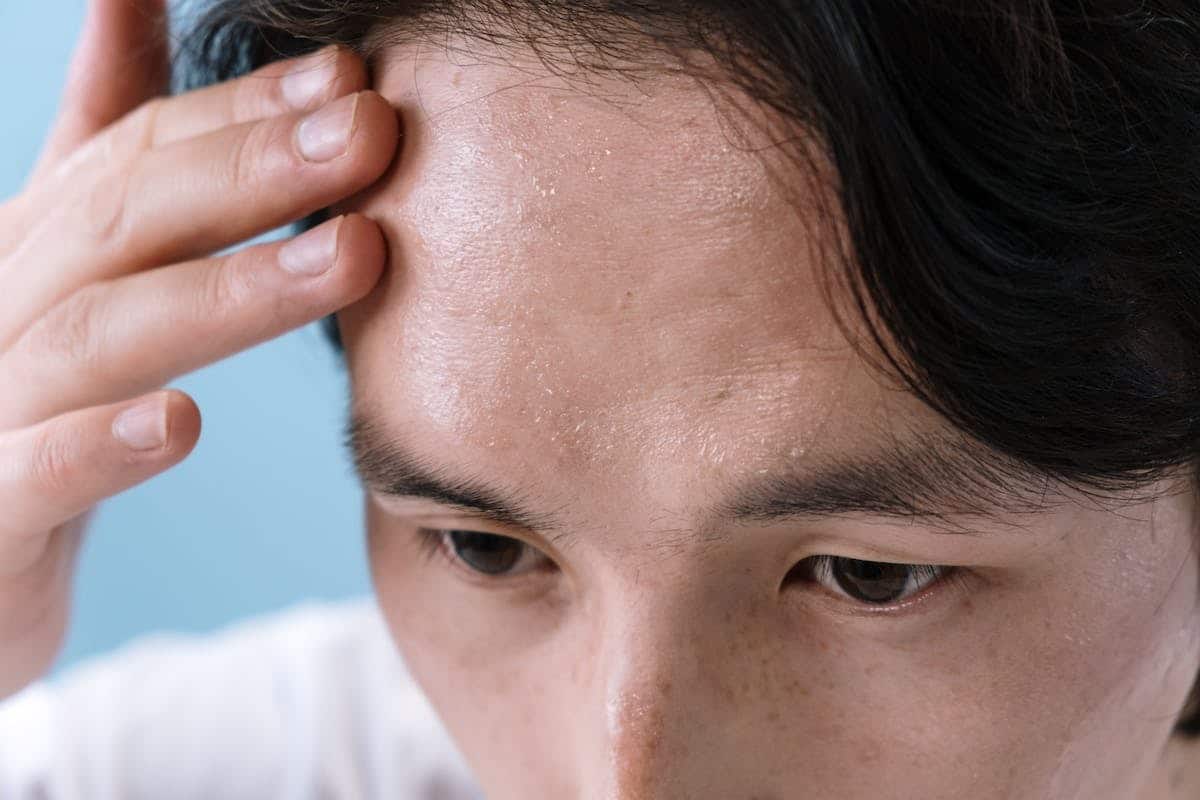
In the world of medicine, the mysteries of human physiology continue to fascinate. One of the most common yet often misunderstood phenomena is the mechanism of sweating during the flu. An integral part of the symptoms of this illness, excessive sweating intrigues and raises questions. How does our body trigger this process in response to a viral infection? What role does it play in our recovery? These questions deserve thorough exploration to demystify the link between the flu and sweating and to enlighten those who experience it each year.
The flu: why do we sweat
When the flu strikes, our body goes into defense mode and activates various survival mechanisms. Excessive sweating is one of these mechanisms employed by the immune system to fight the viral infection. Indeed, when our body detects the presence of the virus responsible for the flu, it triggers a cascade of chemical reactions that raises our body temperature. This thermal elevation has a dual purpose: on one hand, it creates a less favorable environment for the proliferation of pathogens, and on the other hand, it stimulates our white blood cells, which are essential in the fight against infections.
Sweating complements this process by allowing the body to expel the excess heat generated when it combats the flu virus. When we sweat, our sweat glands secrete a fluid composed mainly of water but also of mineral salts such as sodium and potassium.
It is through this evaporation that we feel a refreshing sensation on our skin while effectively regulating our body temperature. The physiological effect of sweating during the flu is not limited to this.
In addition to contributing to the cooling of the body, sweating also helps eliminate toxins accumulated during the flu infection. The dilated pores thus release metabolic waste such as toxins and other undesirable substances present in our body. This purification function helps strengthen our immune system and thus accelerates the healing process.
It should be noted that the physiological effects of sweating can vary from person to person depending on a multitude of factors. Age, general health status, and even the level of hydration influence the frequency and intensity with which we sweat during the flu.
To effectively manage this excessive sweating during a flu infection, it is recommended to wear lightweight and breathable clothing that promotes evaporation. It is also crucial to maintain adequate hydration by regularly drinking fluids such as water or isotonic drinks to compensate for thermal losses due to sweating.
Understanding the underlying mechanisms of flu sweating can help us better understand this natural body reaction to a viral infection. The combination of thermal elevation, sweat evaporation, and toxin elimination allows the immune system to work more effectively against the virus responsible for the flu. By following these simple yet valuable tips, you can better manage this temporary discomfort caused by excessive sweating during your battle against the flu.
Flu and sweating: what impacts on the body
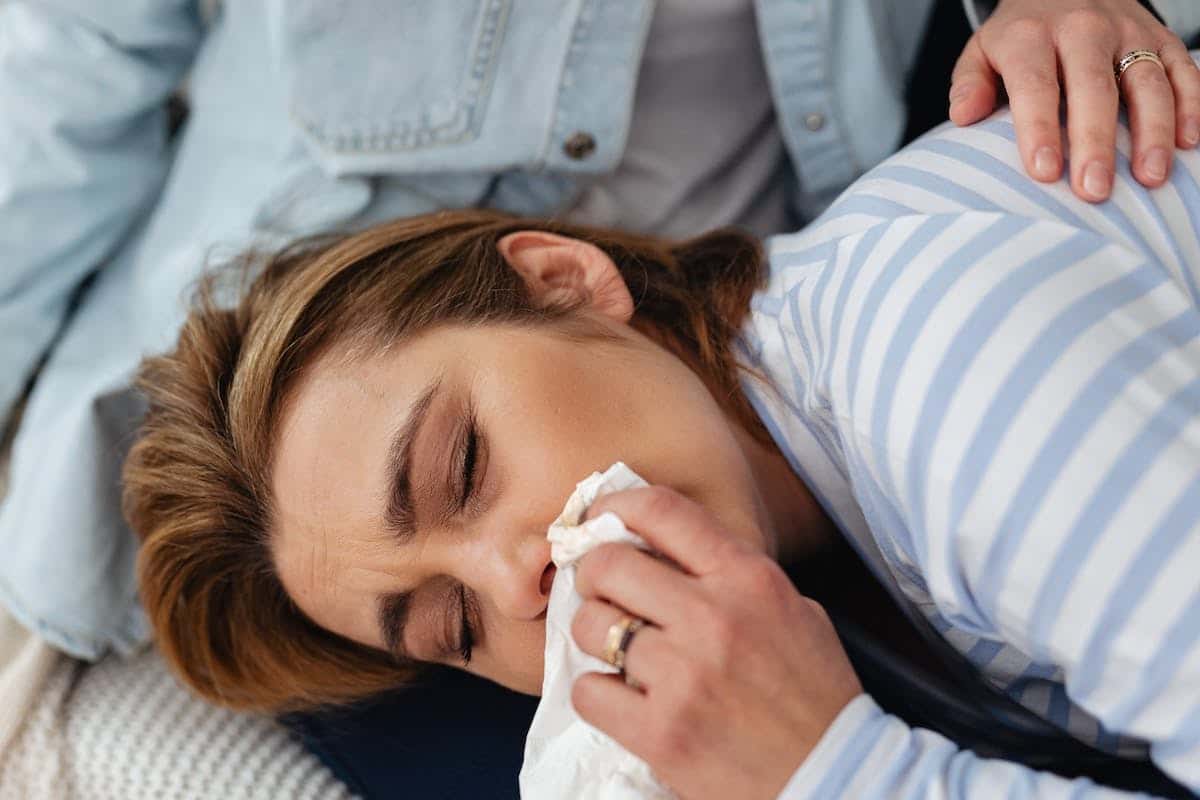
During the flu, several factors can influence the intensity of sweating in individuals. Age plays a determining role. Children tend to sweat more than adults during a flu infection. This is explained by the fact that their immune system is still developing and they are more sensitive to thermal fluctuations.
The general health status of a person can also affect their sweating when they are affected by the flu. Individuals suffering from chronic illnesses or having a weakened immune system may experience more intense sweating episodes. Indeed, these pre-existing conditions make the body more vulnerable to the flu virus and require greater mobilization of the immune system to fight the infection.
The level of hydration is also a key element in regulating sweating during a flu. Insufficient hydration can lead to dehydration that disrupts the body’s normal sweating mechanisms and thus increases the sensation of heat, favoring excessive sweating.
Some medications taken during this period can also impact the sweating process during the flu. Some antipyretics (which reduce fever) and analgesics can interfere with the body’s natural sweating mechanisms by temporarily inhibiting its ability to effectively eliminate excess heat.
It is important to note that the level of physical activity also plays a role in sweating during the flu. Indeed, if you are bedridden and at complete rest, your body will not need to produce as much energy to fight the infection, which will result in less sweating. On the other hand, if there are light physical activities or even a simple walk, this could further promote sweating.
It is essential to emphasize that each individual may react differently in terms of sweating during the flu. The factors mentioned earlier are clues to understanding the variations in the intensity and frequency of sweating. However, it is important to keep in mind that the physiological response of the body to the flu infection is complex and can vary significantly from person to person.
When a person is affected by the flu, it is normal to experience a sensation of excessive sweating due to the intense work performed by the body to fight the infection. This is a natural mechanism that helps our body eradicate pathogens. A thorough study of this biological feat allows for a better understanding of the flu and helps us find the best way to manage this temporary discomfort. By adopting simple measures such as wearing breathable clothing, staying hydrated, and resting, you can easily overcome this difficulty and accelerate your recovery.
Flu: what factors increase sweating
When facing excessive sweating during the flu, consider taking certain measures to manage this discomfort. Here are some practical tips:
Choose appropriate clothing: Opt for lightweight and loose clothing made from natural fabrics such as cotton or linen. These materials allow for better air circulation and promote the evaporation of sweat.
Take regular lukewarm showers: Lukewarm showers help cool your body and eliminate toxins accumulated from excessive sweating. Avoid very hot showers that can worsen the sensation of heat.
Use an antiperspirant deodorant: Antiperspirant deodorants typically contain aluminum salts that reduce sweat production by temporarily blocking sweat glands. This can help control excessive sweating.
Maintain good hydration: Drink plenty of water throughout the day to compensate for the fluid disturbances caused by the flu and avoid any form of electrolyte imbalance.
Prioritize a balanced diet: Consume foods rich in water such as fresh fruits and vegetables, which help keep your body well-hydrated while providing essential nutrients to strengthen your immune system.
Get enough rest: Rest is crucial for allowing your body to effectively fight the infection. Avoid intense activities that can increase sweating and promote fatigue.
Use refreshing wipes: Refreshing wipes can be useful for quickly getting rid of excess sweat, especially if you do not have access to a shower or if you are on the go.
Consult a doctor if necessary: If your excessive sweating persists despite these measures, it may be wise to consult a healthcare professional to assess if there are other underlying issues or complications related to the flu.
By following these simple tips, you can better manage excessive sweating during the flu and minimize the associated discomforts. Always keep in mind that rest and good hygiene are essential to help your body recover quickly and effectively from this seasonal viral infection.