Starting a career as a childminder requires serious commitment and thorough preparation. Individuals passionate about caring for children can find this career extremely rewarding. Before being able to practice, it is imperative to understand the regulatory steps and meet the required criteria. This includes obtaining a license issued by the departmental council, after completing specific training and setting up a safe and suitable space for the needs of children. Childminders must also develop skills in pedagogy and communication, which are essential for the development and well-being of the children in their care.
The essential steps to becoming a childminder
The path to the profession of childminder begins with obtaining a license for childminders, issued by the Departmental Council. This document, far from being a mere formality, attests to the candidate’s ability to provide a healthy and safe environment for children and their competence to contribute to their development. Obtaining this license is part of a meticulous process, where each applicant undergoes a rigorous evaluation of their personal and professional skills.
Once the license is in hand, the future childminder must complete a mandatory training of 120 hours. Divided into two parts, this training aims to prepare the candidate before welcoming the first child and to enhance their skills after this initial practical experience. This training pathway is a crucial pivot to ensure appropriate and caring support for children.
For holders of a CAP AEPE (Early Childhood Educational Assistant), the path is somewhat shortened, as this diploma exempts them from the initial part of the mandatory training. It thus provides recognition of educational skills, while reminding that specialization in early childhood remains a pursuit of continuous training. It is necessary to take out a civil liability insurance, inseparable from practicing the profession. This insurance guarantees coverage in case of incidents that may occur during the care of children. This is a non-negotiable requirement to protect both childminders and the families who entrust them with their most precious belongings.
The fundamentals for practicing as a childminder
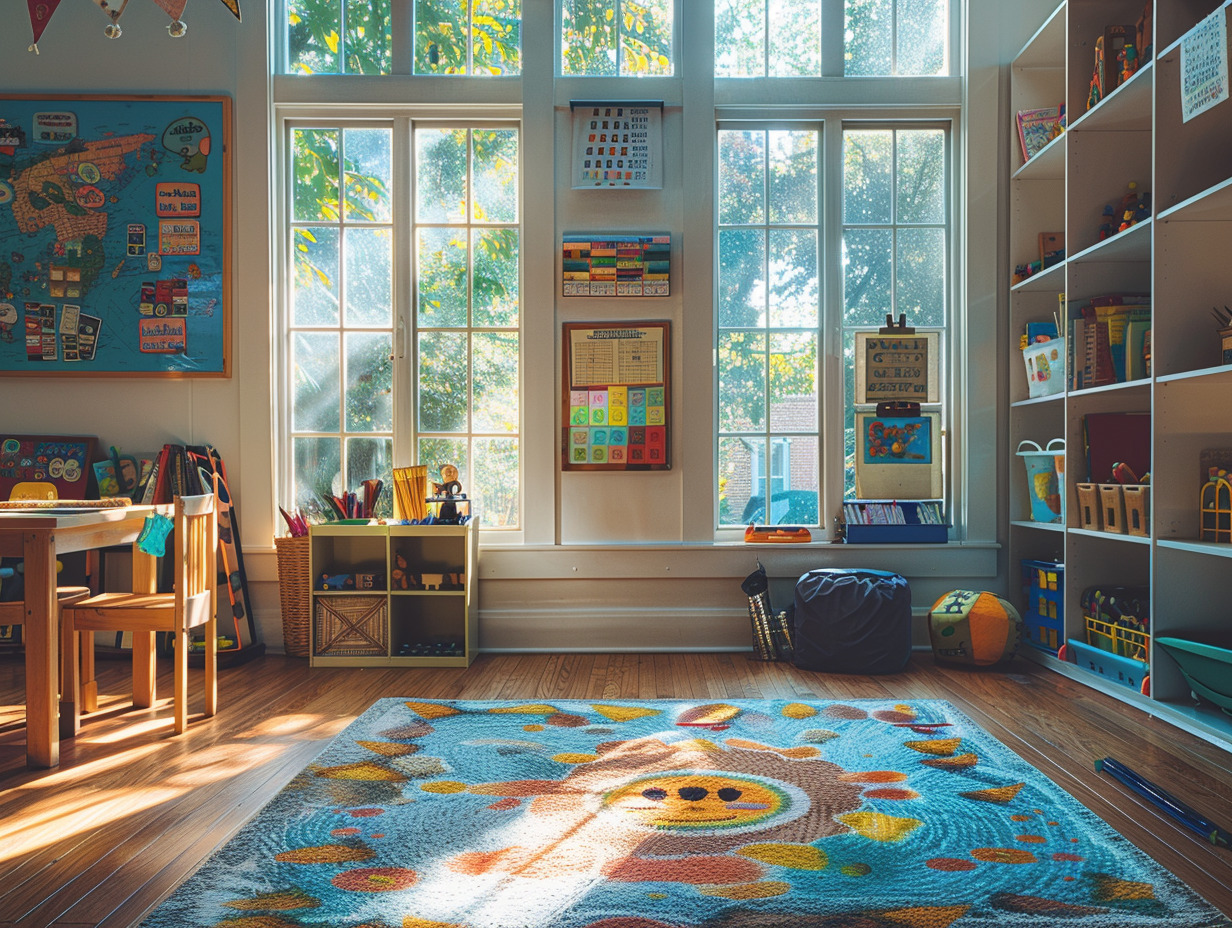
At the heart of the care system for children under 3 years old, the childminder stands out for their ability to offer a warm and conducive environment for the development of young children. Practicing this profession, which combines personal commitment and educational skills, often takes place in the childminder’s home or within a Childminders’ House (MAM). These innovative structures allow for the sharing of expertise and provide a socializing environment for the children welcomed.
The PMI (Maternal and Child Protection) plays a key role in monitoring and advising childminders, thus ensuring qualitative follow-up of the children’s care. Beyond their welcoming mission, the childminder actively participates in the awakening and development of the child, in close collaboration with early childhood professionals. They engage in an educational approach, preparing the child for their entry into the community.
Working in a MAM offers childminders the opportunity to break professional isolation and engage in a collective approach. This configuration promotes the exchange of practices, better management of schedules, and the creation of a coherent and diverse educational project that meets the expectations of modern families.
The profession, although predominantly female, is gradually opening up to diversity, reflecting a societal change and a better recognition of everyone’s role in the early learning of life. Childminders, early childhood educators, and other stakeholders in the early childhood sector work together to weave the first fabric of national education.